Amateurs and professionals alike can learn more from bad examples than from paragons of perfection.
Rob James
May 10, 2026
For some years I have kept examples of graphic or typographic presentation I found amusing or perplexing (or amusing). Until today, I forgot I had an easy way of sharing them. They should be self-explanatory—indeed, their shortcomings are self-explanatory. Without further auf Wiedersehen, baby, enjoy!
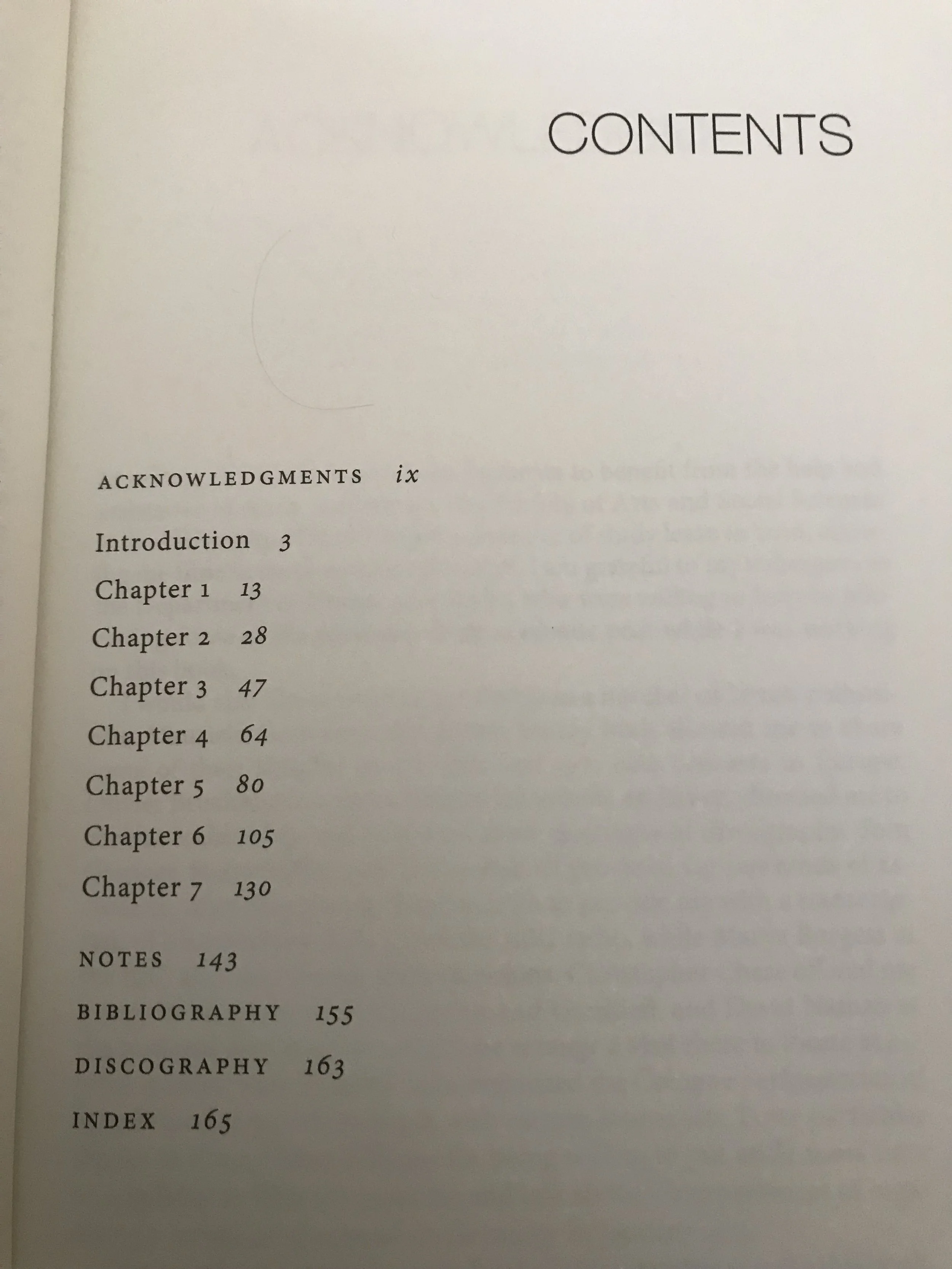
Chapter 1. The Uninformative Table of Contents
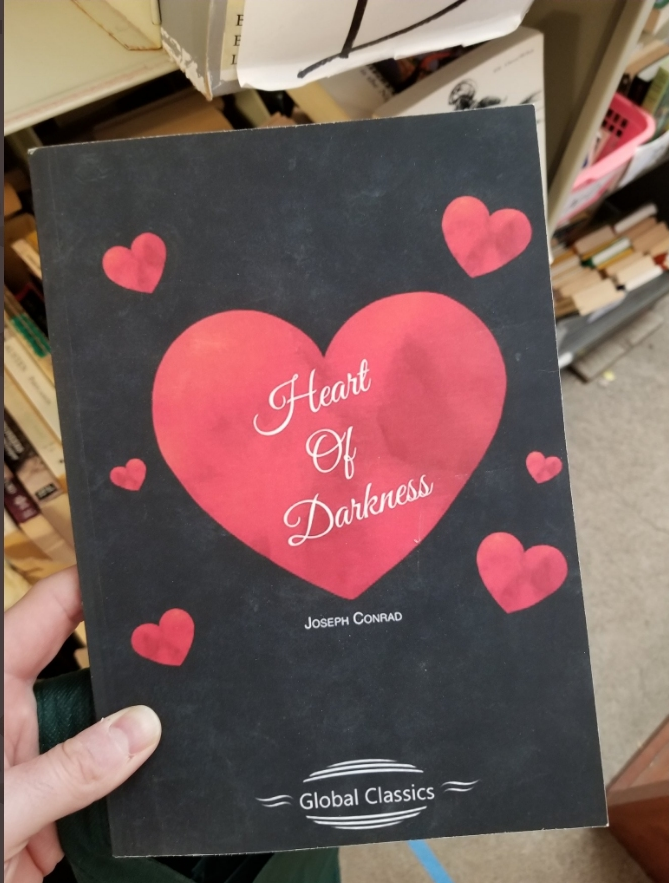
Chapter 2. The book cover designed by someone who clearly hadn’t read the book.
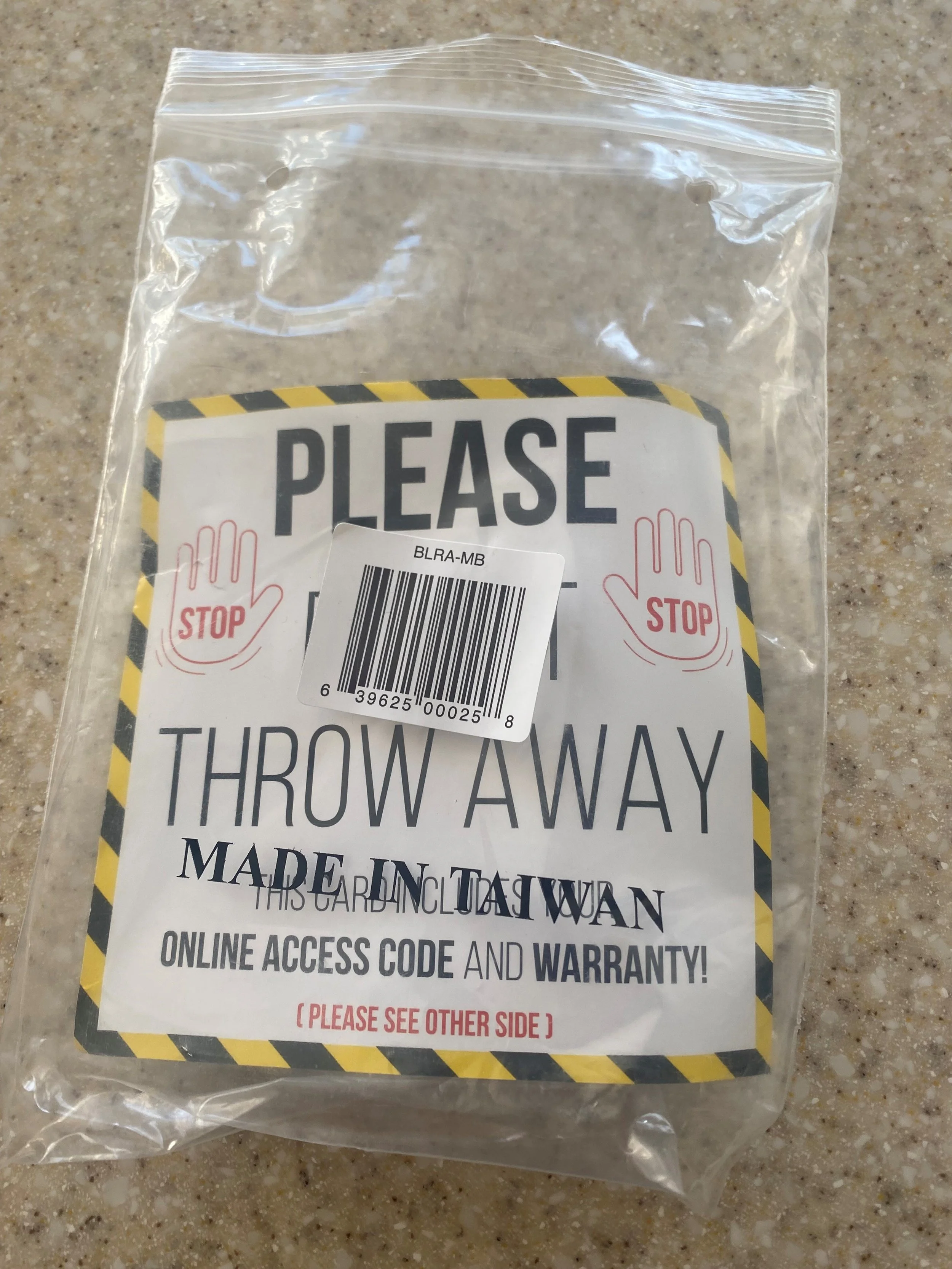
Chapter 3. The misplaced bar-code sticker obscuring the important words “DO NOT.”
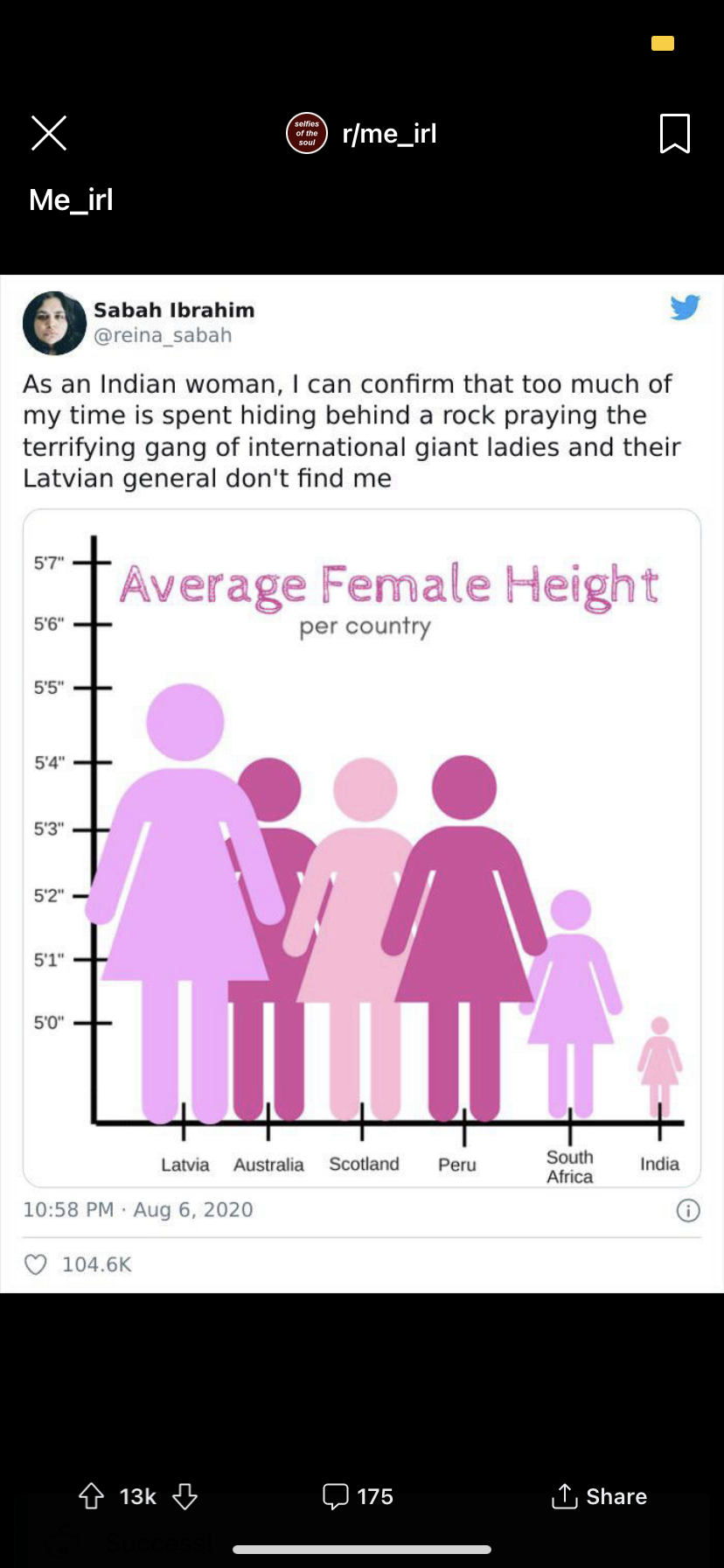
Chapter 4. The Giant Latvian Woman and the cowering Indian woman. (With thanks to Princeton computer scientist Brian Kernighan, author of the brilliant book Millions, Billions, Zillions: Defending Yourself in a World of Too Many Numbers (2018).)
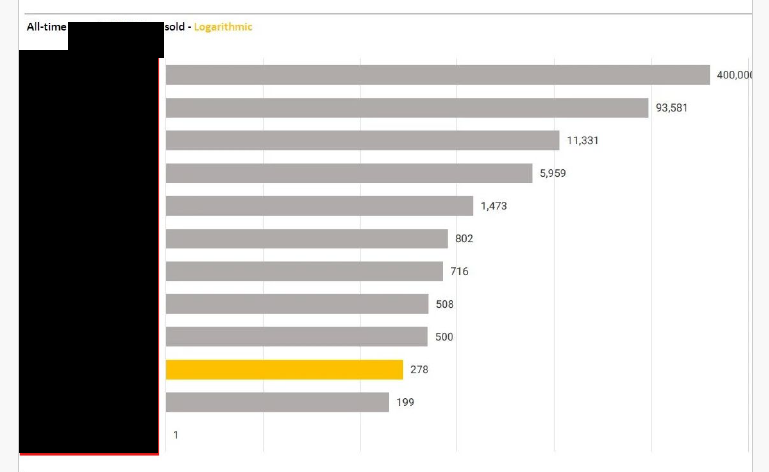
Chapter 5. The market shares presented on a logarithmic scale (so distances are exponential, not linear). “Hey, we are right behind the market leaders!”
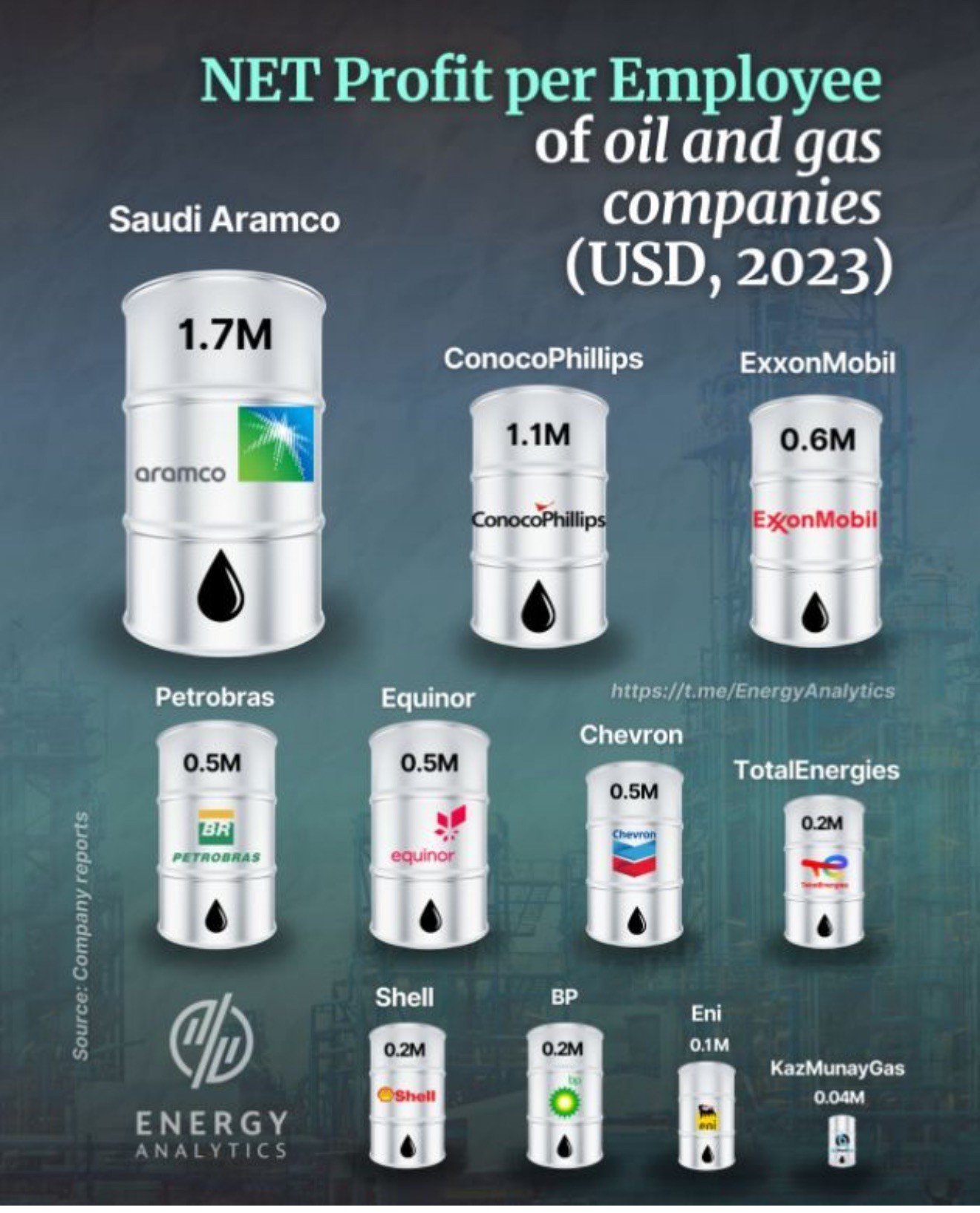
Chapter 6. Use of graphic pictures rather than data points—and the same data are given a differently sized picture based on a different metric.
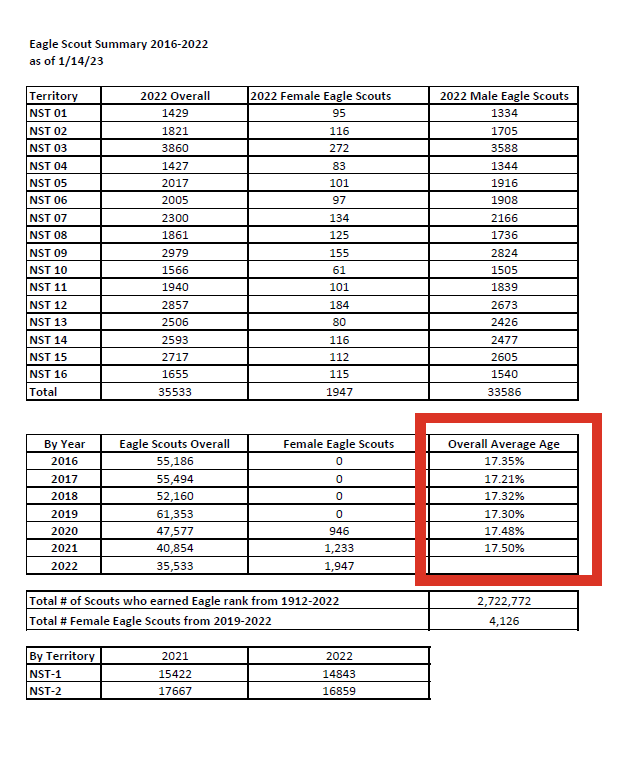
Chapter 7. Ages of 17-year-old boys and girls expressed as percentages of a 100-year-old (even beyond the Bible’s “three score and ten” (Psalms 90:10 KJV)).
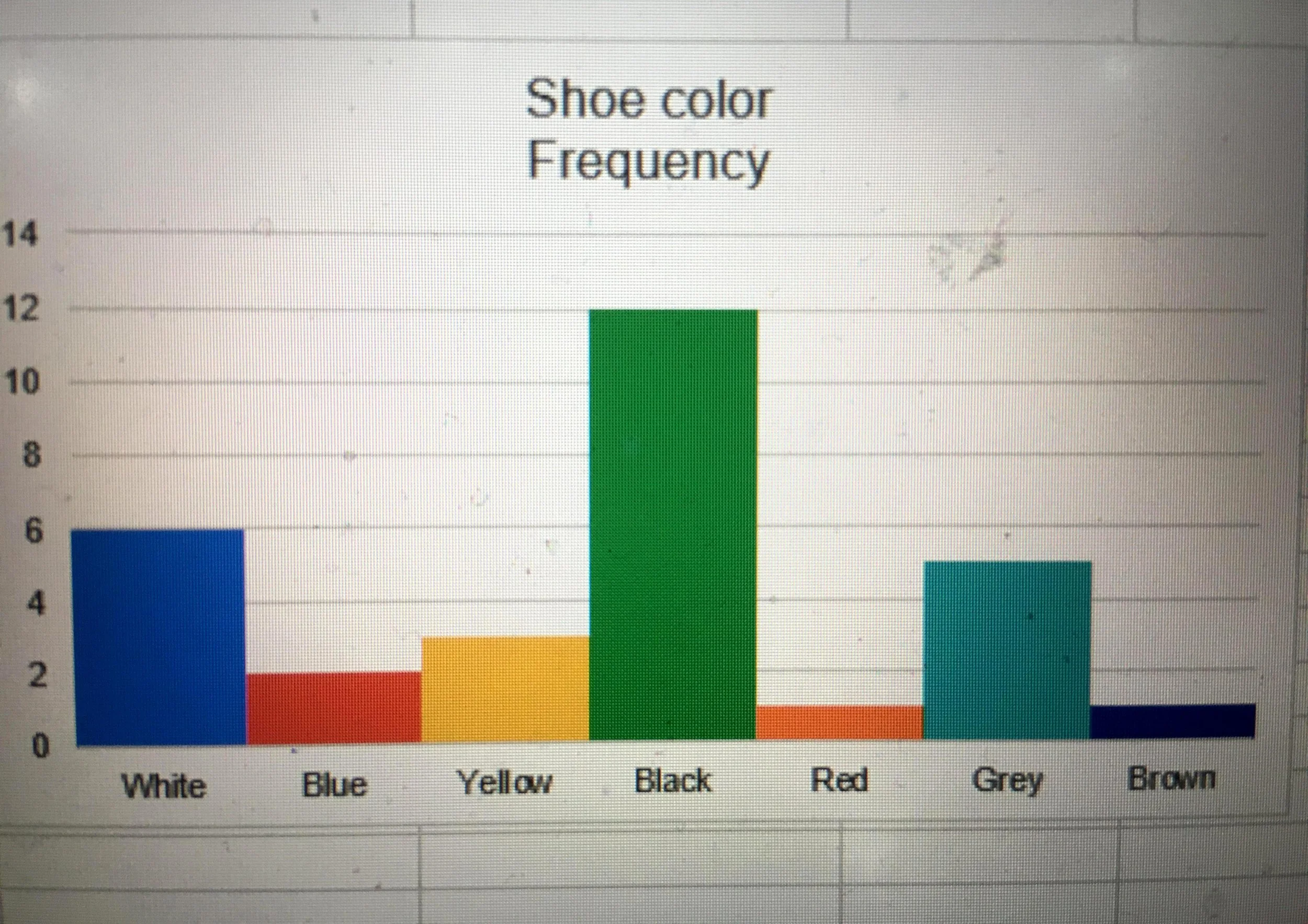
Chapter 8. Color coded charts are very useful in clear communications.
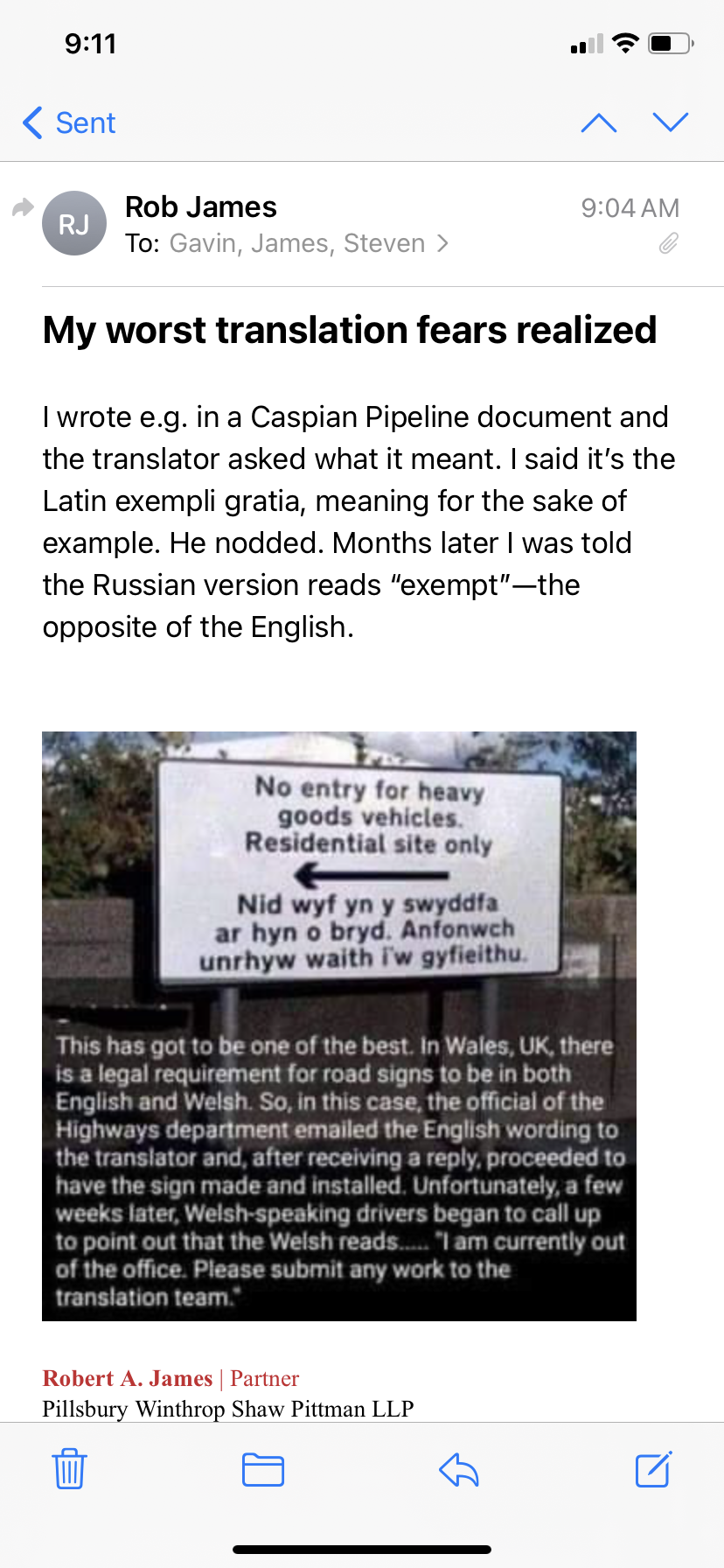
Chapter 9. Here is my own contribution, directly caused by my trying to appear smart and translate Latin. The Welsh example is a classic cautionary tale about guessing foreign languages!
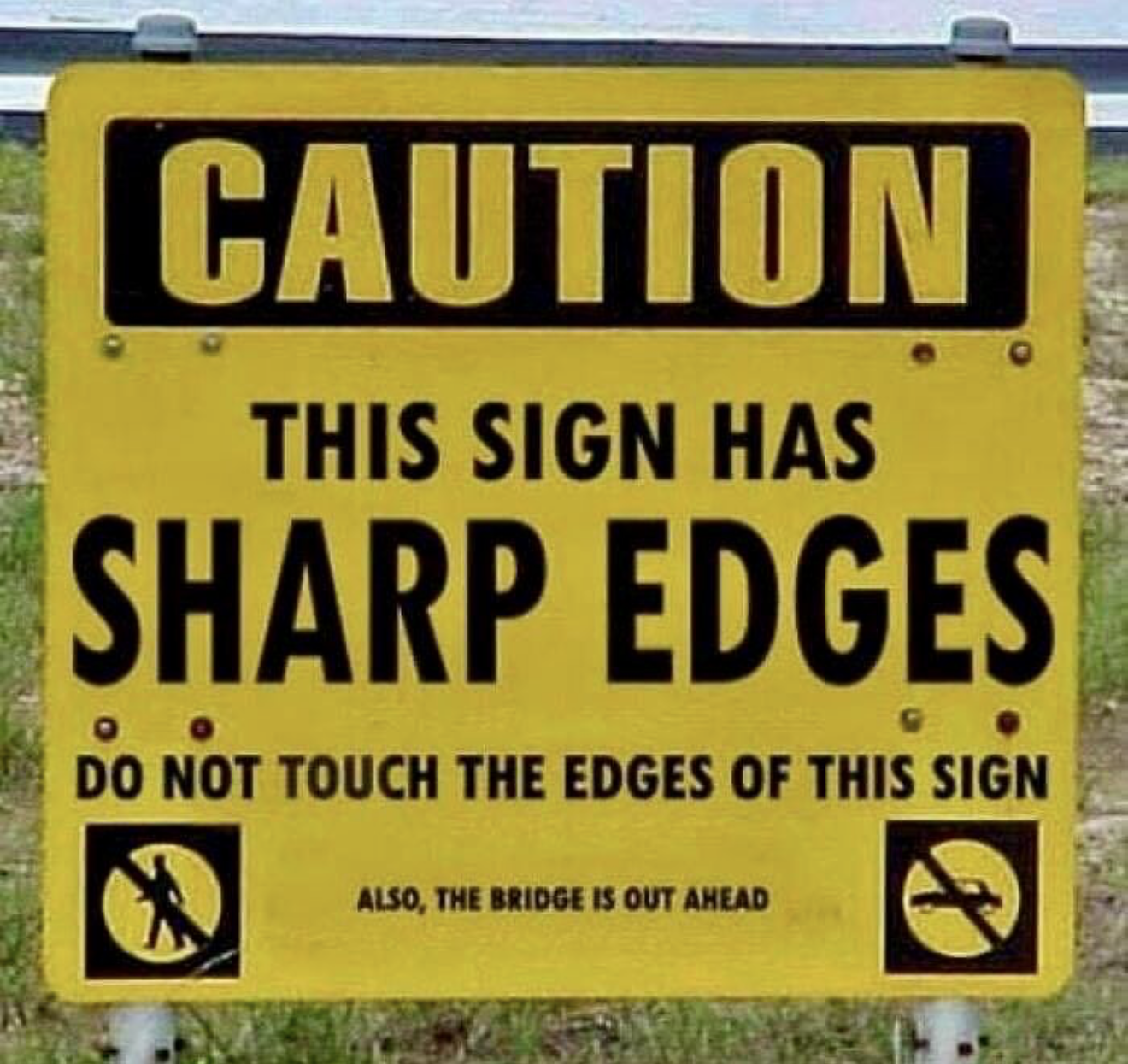
Chapter 10. This is a great example of the dual semiotics of Ferdinand de Saussure, Claude Lévi-Strauss, Louis Althusser, and Jacques Lacan that I explained to myself in a prior post (Umberto Eco too, to drop another name (clunk)). There is a real and consequential difference between two things:
(a) the SIGNIFIER, the sign (“Caution! This sign has sharp edges!”), and
(b) the SIGNIFIED, the reference (oh yeah, the bridge up ahead is out, if you try to cross you will likely die).
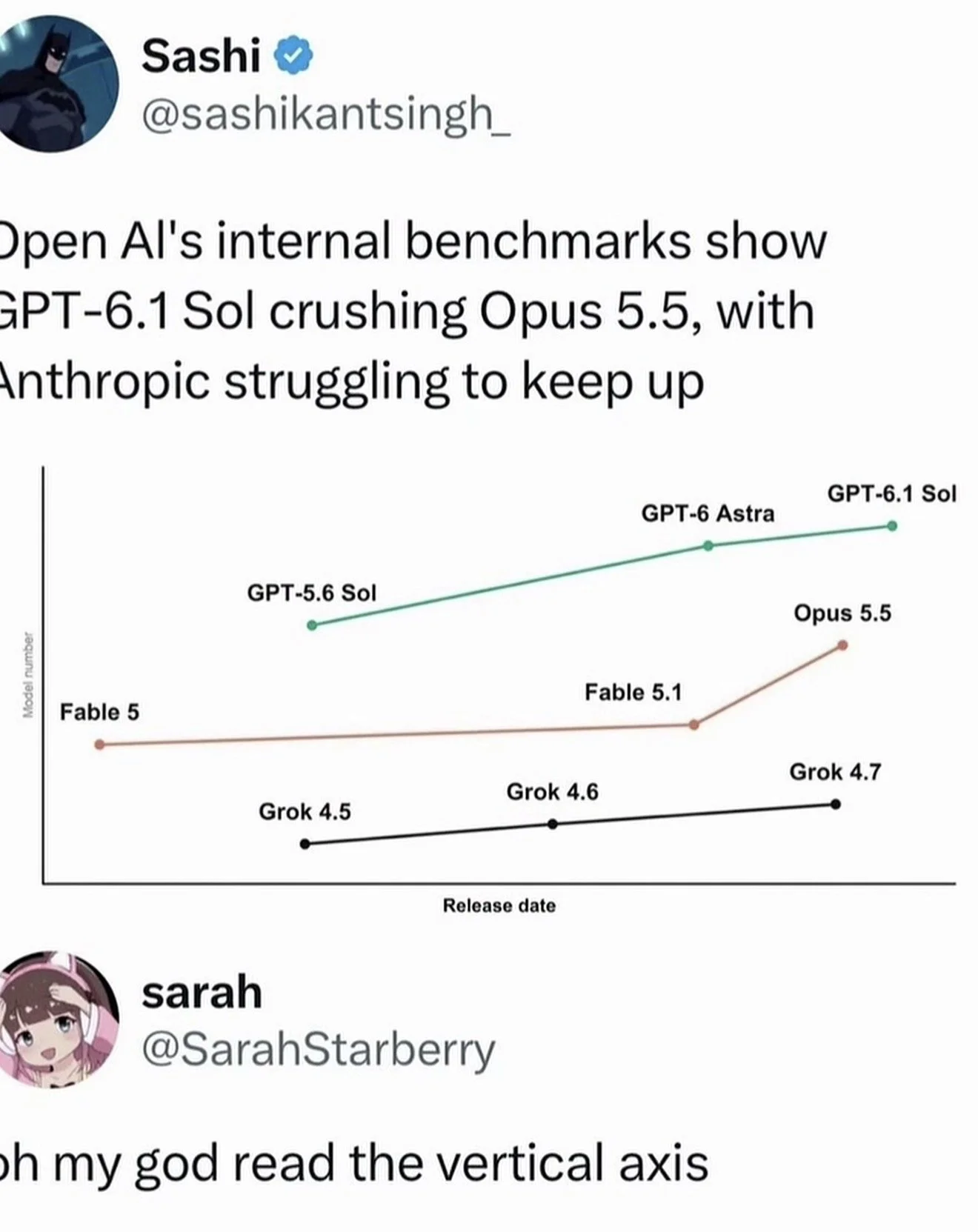
Chapter 11. Always read your axes! Chalk one up for human intelligence.
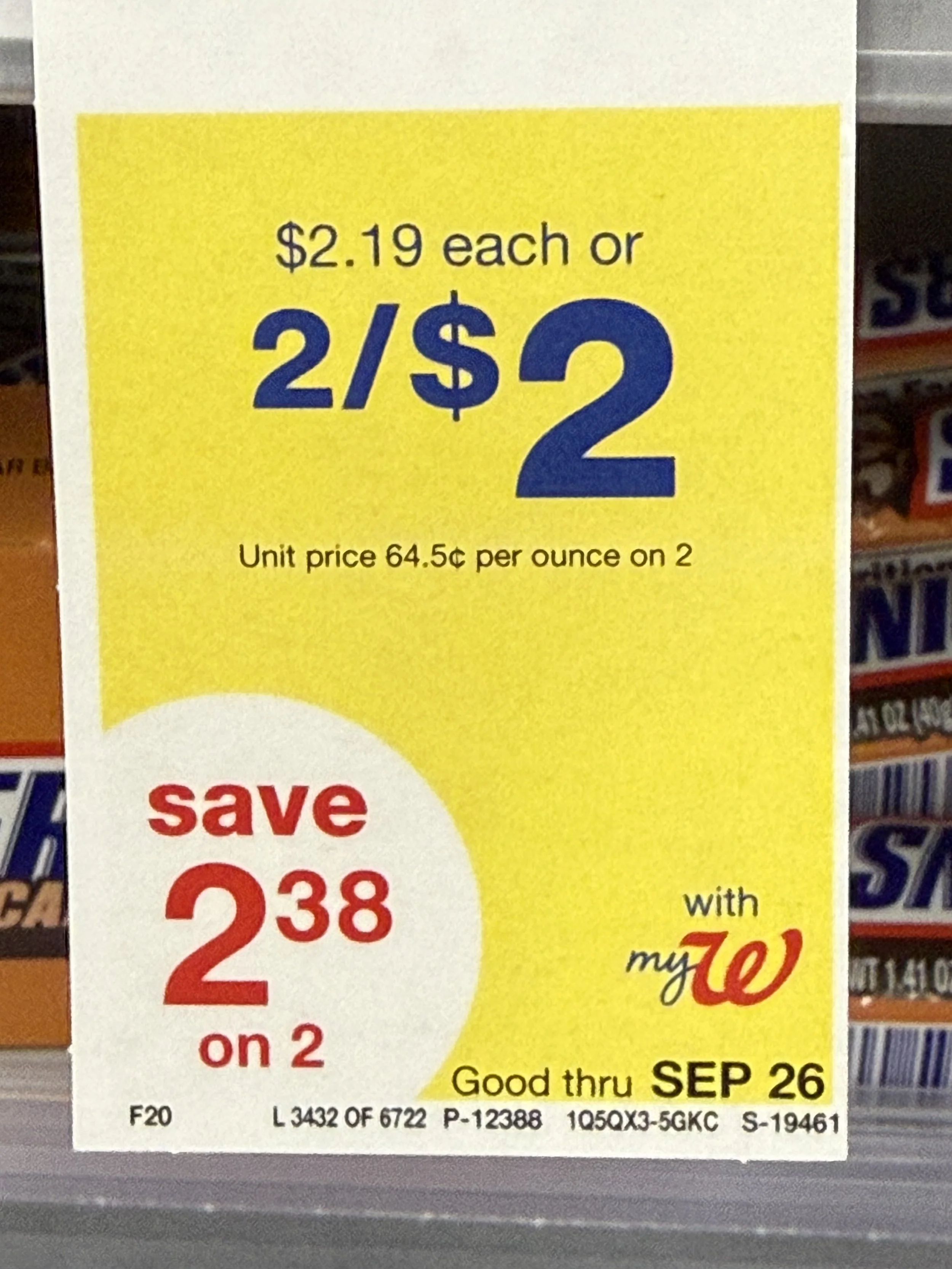
Chapter 12. You are reading this next one correctly, the second Snickers bar had a negative sales price. Gentle reader, I warily checked at the cash-register scanner, and yes I did purchase two items for a total of two dollars, thus saving $2.38 off a normal price of $4.38 (and saving nineteen cents off just buying one). If I bought a billion of them at the sale price and waited for the sale to be over by September 27, I could dispose of them in the Snickers aftermarket and make… let’s see, carry the two… several hundred dollars.
(Maybe the second item carries with it an ancient-ritual curse like Willkie Collins’s The Moonstone (1868). I will report assuming I survive.)
Needless to say but I’ll say it anyway, I welcome additions to this list—by any communications means whether possible or necessary.